Solar Eclipse SPAIN 2026: how to look at it without damaging your eyes.
On August 12, 2026, Spain will experience one of the most remarkable astronomical events of the century: the first total solar eclipse visible from mainland Spain in more than 100 years.
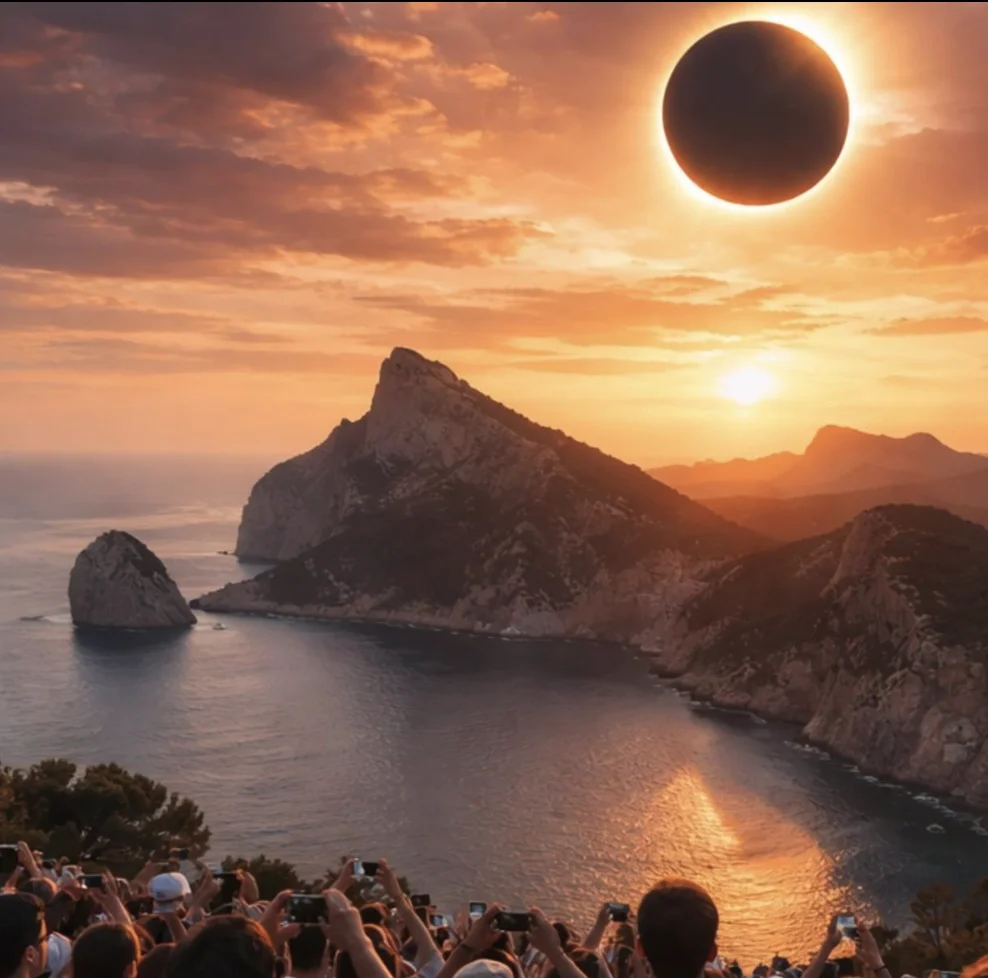
It will be an unforgettable experience—but it is also one of the few occasions when people risk permanently damaging their eyesight simply by looking at the Sun without proper protection.
Can looking at a solar eclipse damage your eyes?
Yes.
Looking directly at the Sun during a solar eclipse without certified protection can cause solar retinopathy, a type of retinal injury caused by intense solar radiation.
The area most commonly affected is the macula, the central part of the retina responsible for sharp vision, reading, recognizing faces, and seeing fine details.
The most dangerous part is that the retina has no pain receptors.
You won't feel your retina burning.
Many people only notice the damage hours later, when symptoms begin to appear.
These may include:
Blurred vision
A dark or blind spot in the center of your vision (central scotoma)
Distorted vision
Difficulty reading
Reduced visual acuity
Permanent central vision loss
Some patients recover part of their vision over time, while others are left with irreversible macular damage.
Do I still need eclipse glasses at sunset?
One of the most common misconceptions is:
"The Sun is low on the horizon, so it's safe."
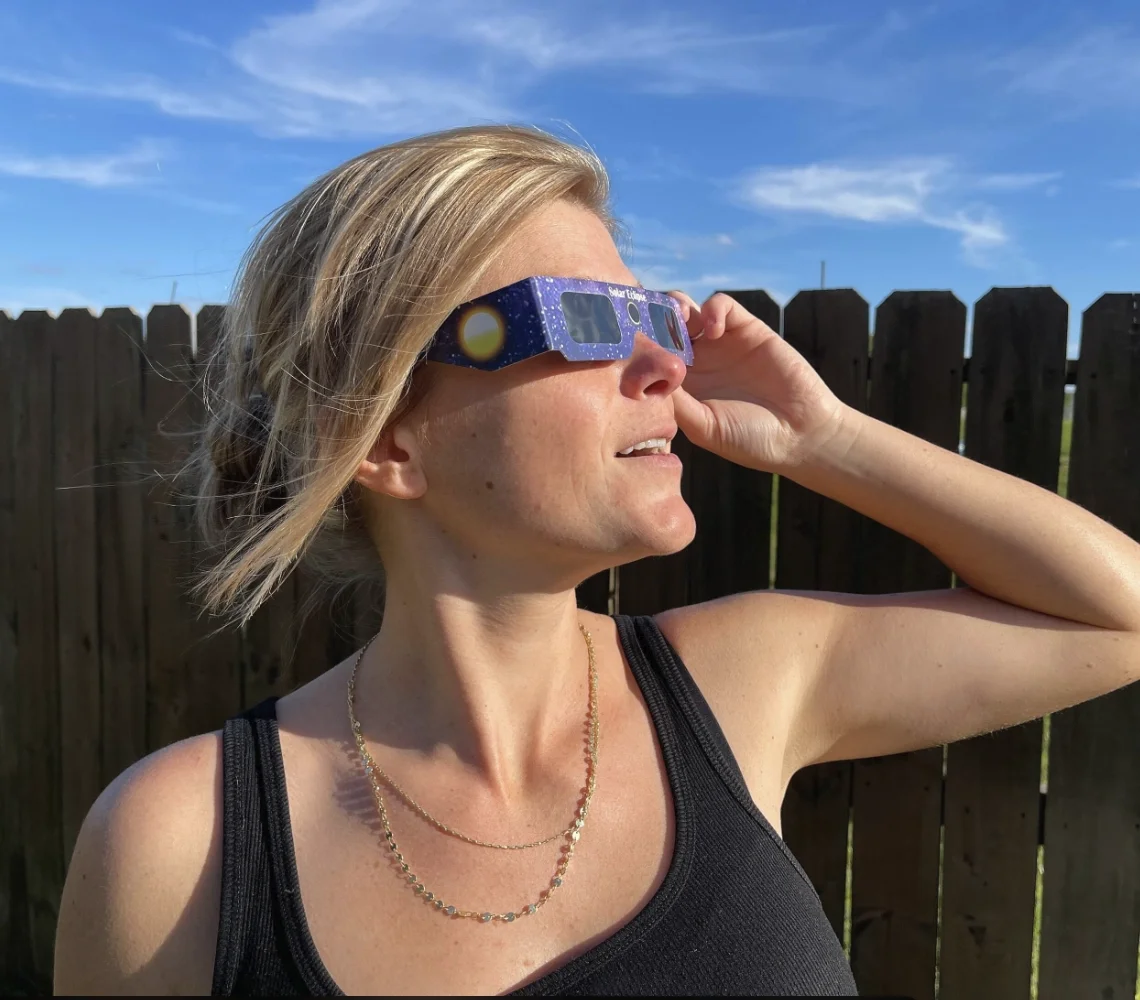
Even though the eclipse will occur during the evening (approximately 7:30 pm to 8:30 pm), you must wear certified eclipse glasses whenever any part of the Sun remains visible.
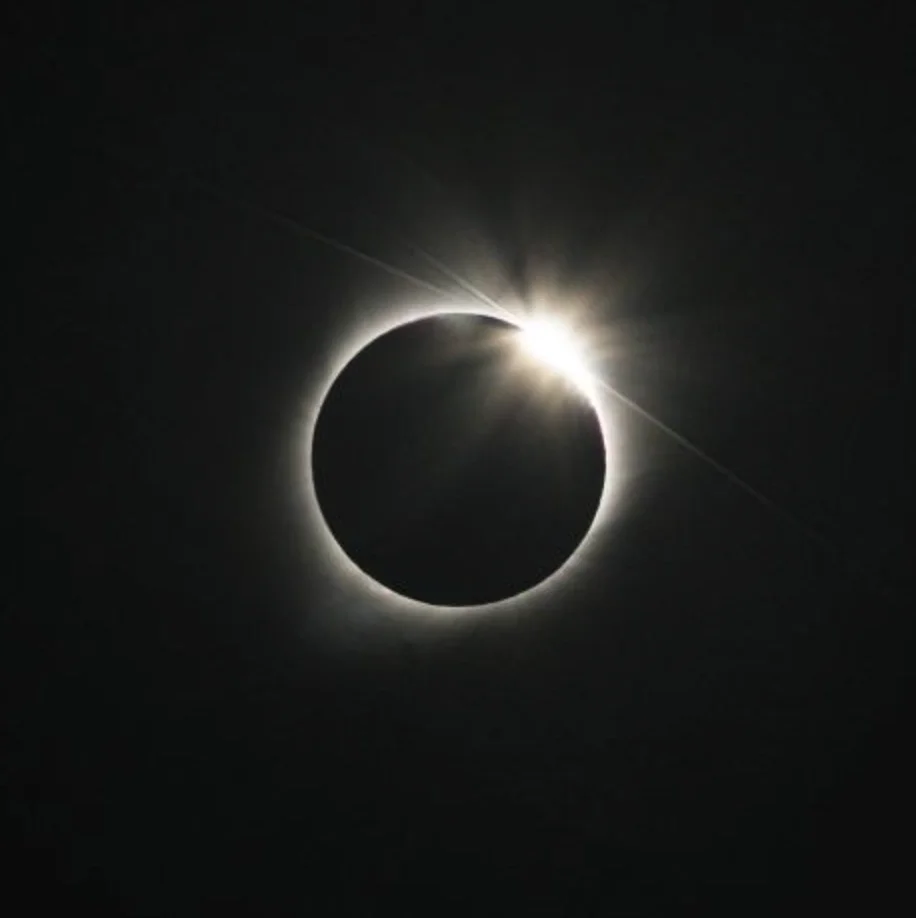
Only people standing inside the narrow path of totality may safely remove their glasses during the brief period when the Sun is completely covered by the Moon..
The moment sunlight reappears, the glasses must go back on immediately.
What should you never use?
Never look at the eclipse through:
Regular sunglasses
Smoked glass
X-ray films
CDs or DVDs
Camera film
Tinted glass
Homemade filters
None of these materials block harmful solar radiation.
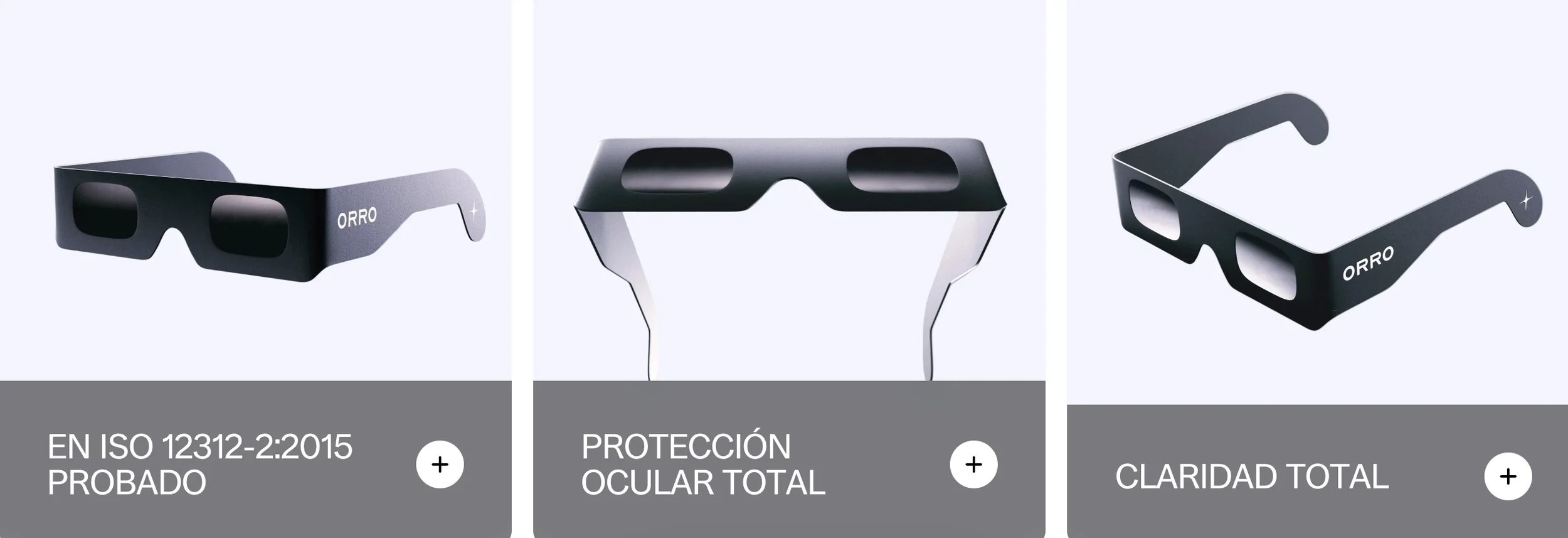
The only safe option is certified eclipse glasses that comply with ISO 12312-2.
How to choose safe eclipse glasses
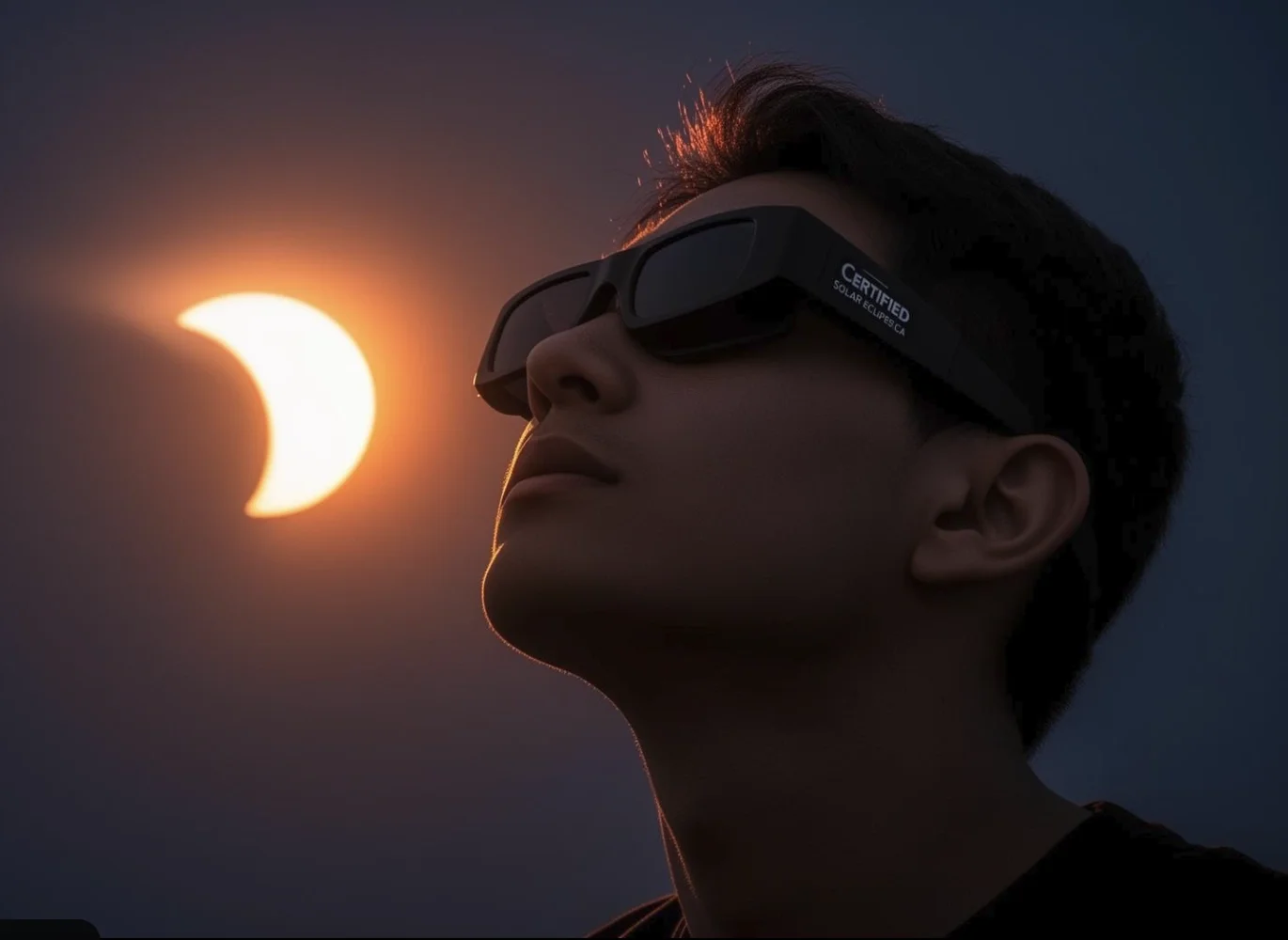
I purchased mine from ORRO GLASSES because it was the only website I found that allowed customers to download and verify the official certification PDF before purchasing.
That gave me confidence that the glasses complied with ISO 12312-2, which was my main requirement.
They were also very affordable, and shipping cost me only €5.
Regardless of where you buy your glasses, always make sure that:
They comply with ISO 12312-2.
They come from a trusted supplier.
They are free from scratches, tears or damage.
They have not deteriorated with age.
Whwn do i need my glasses : Partial vs Total Solar Eclipse
Many people don't realize there is a huge difference.
Partial eclipse: Part of the Sun remains visible.
Certified eclipse glasses are required throughout the entire event.
Total eclipse: The Moon completely covers the Sun.
Only during those brief minutes of complete totality—and only if you are inside the path of totality—may you safely remove your eclipse glasses.
The instant sunlight reappears, they must go back on.The most common mistakes
Every eclipse, eye specialists see injuries caused by preventable mistakes.
The most common are:
Looking "just for a second."
Assuming sunglasses are enough.
Using old or scratched eclipse glasses.
Buying uncertified products.
Looking through binoculars or telescopes without solar filters.
Thinking that sunset makes it safe.
Believing cloudy skies eliminate the risk.
None of these assumptions is correct.
Can I photograph the eclipse?
Yes—but safely.
If your goal is simply to remember the moment, your smartphone is perfectly adequate.
If you want to photograph the Sun itself, however, you should use specialized solar filters designed for photography.
Never look directly through the optical viewfinder of a camera pointed at the Sun.
Likewise, never use binoculars or telescopes without certified solar filters.
Personally, my advice is simple:
Take one or two pictures, then put your phone away and enjoy one of nature's most extraordinary events with your own (protected) eyes.
A historic opportunity
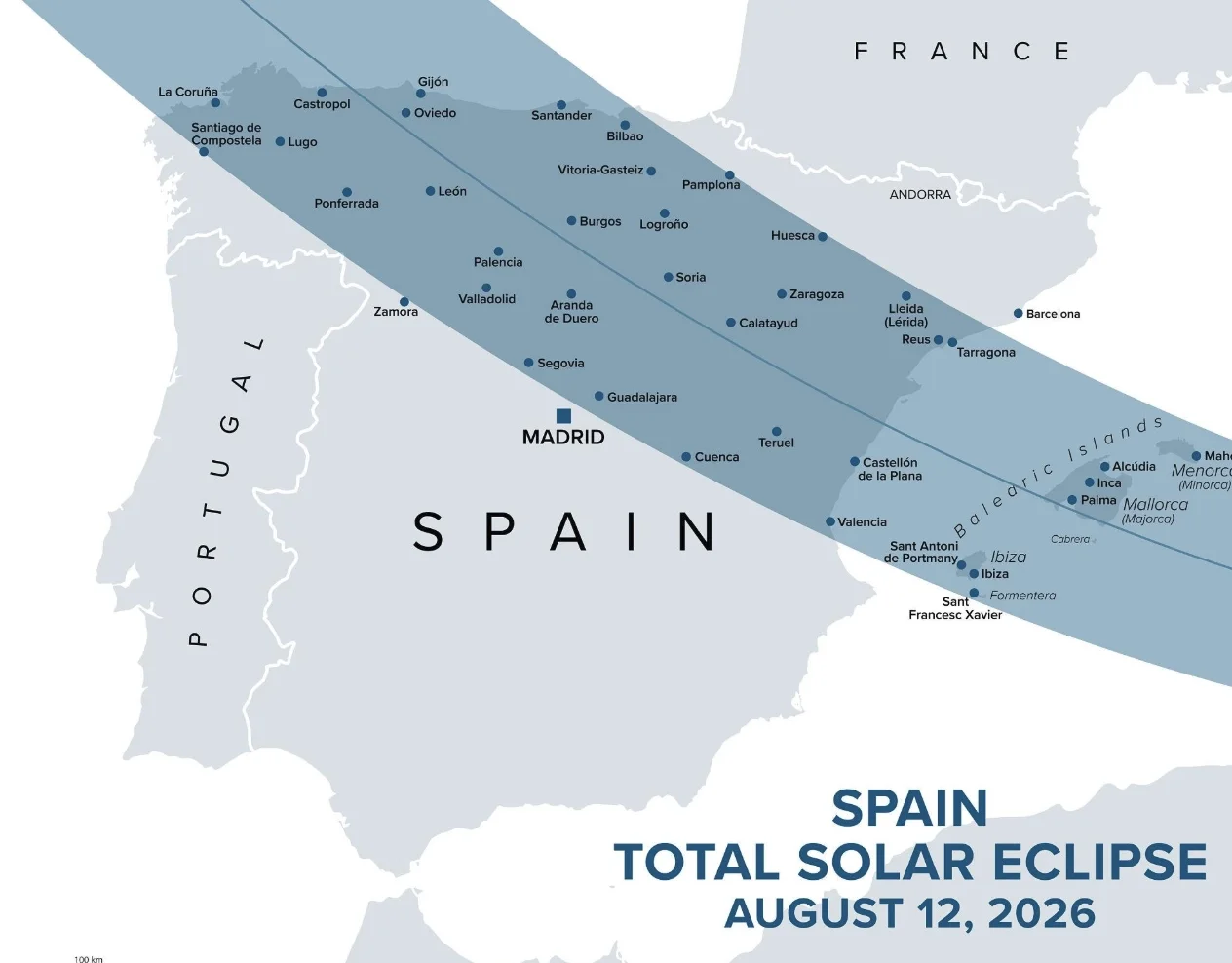
The August 12, 2026 eclipse is only the beginning.
Spain will experience three remarkable solar eclipses over the next two years, making this one of the best periods for eclipse observation in generations.
It is a unique opportunity—but only if you experience it safely.
Protecting your eyesight is simple.
Don't wait until the last minute.
Demand will increase significantly as the date approaches, and certified eclipse glasses may become difficult to find.
.
Remember:
Your retina cannot feel pain. By the time you notice symptoms, the damage may already be permanent.
Enjoy this once-in-a-lifetime event—but make sure you protect the only pair of eyes you'll ever have.