Cellulite: Why No Cream Can Make It Disappear
If you are looking for a cosmetic product that completely removes cellulite, you deserve an honest answer.
Such a product does not exist.
This is not because cosmetic science has failed. It is because cellulite is not simply a skin problem. It is a normal characteristic of female anatomy.
What is cellulite?
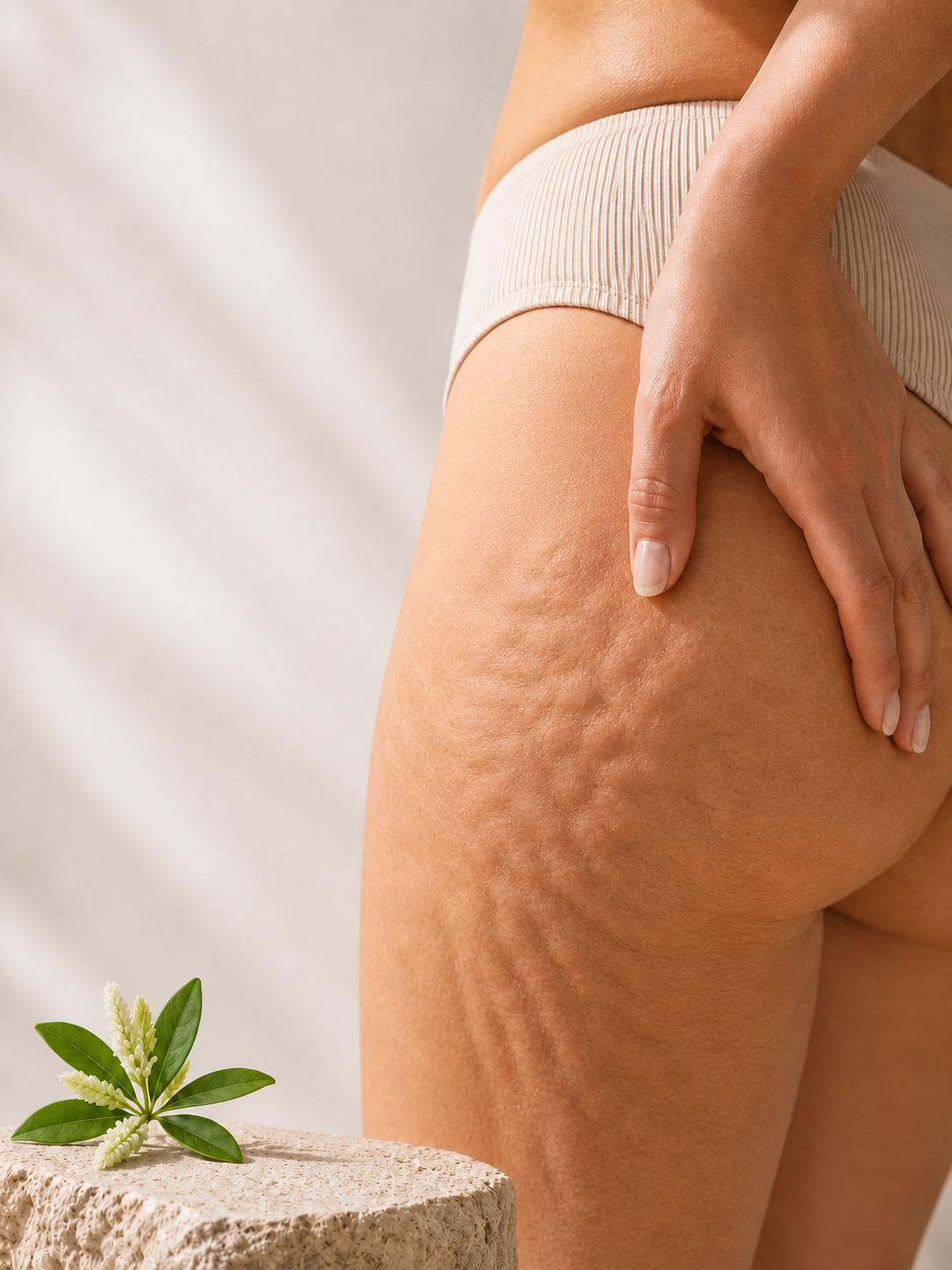
Cellulite is the visible appearance of small dimples or an uneven skin surface. It usually appears on the thighs, buttocks, hips, and sometimes the abdomen.
Around 80–90% of women develop cellulite after puberty, regardless of body weight. Even women who are very lean can have cellulite.
For this reason, cellulite should not be considered a disease. It is a common biological characteristic.
Why do women develop cellulite?
The structure of female skin is different from the structure of male skin.
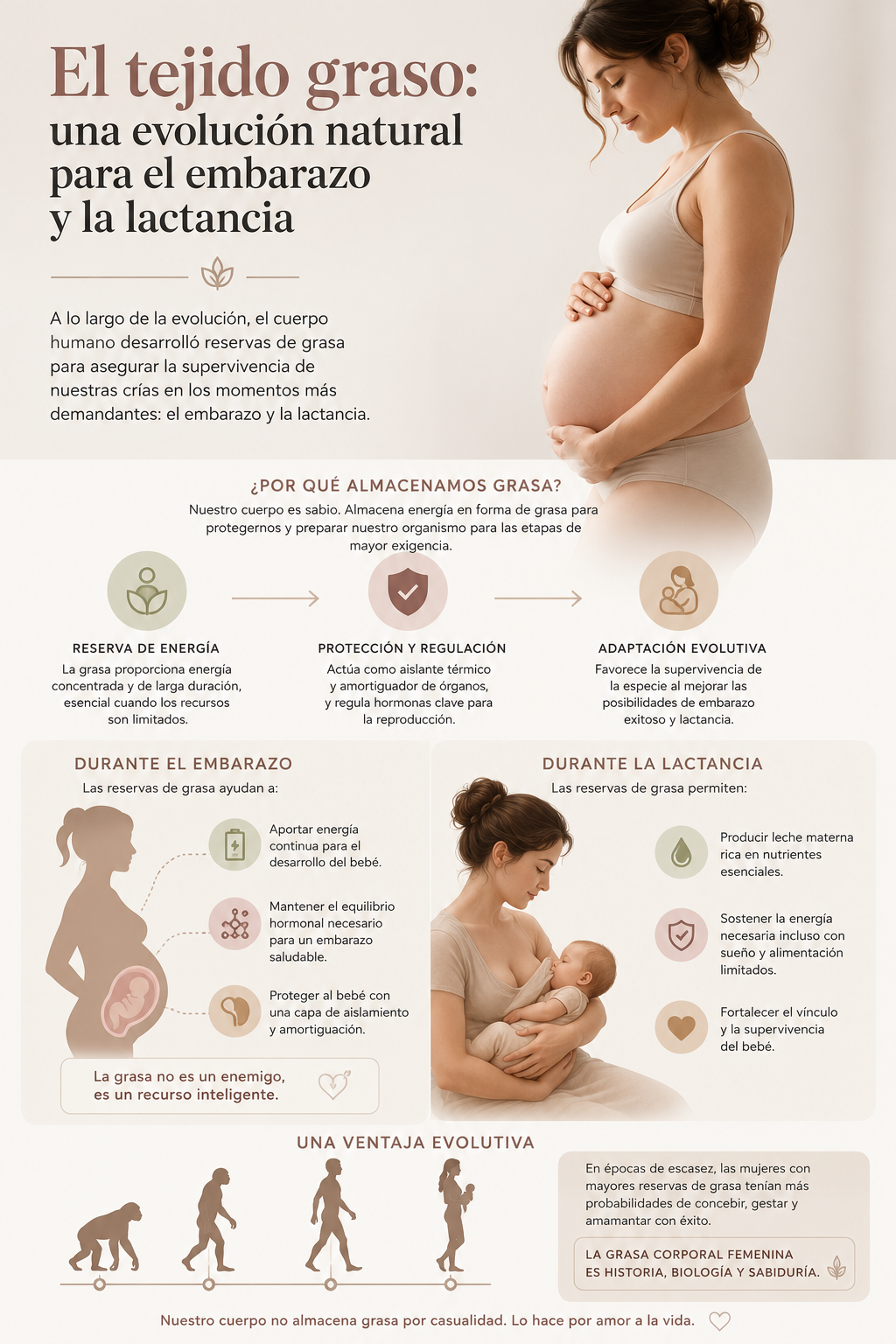
Women have connective tissue that is arranged differently under the skin. Fat cells are also distributed differently. This anatomical design allows the female body to store energy efficiently.
From an evolutionary perspective, these energy reserves have helped support pregnancy and breastfeeding. Fat storage has always been important for reproduction and infant nutrition.
The same anatomical structure that supports these biological functions also makes cellulite visible.
This is one reason why cellulite is so common in women and much less common in men.
Can a cream remove cellulite?
No.
A cosmetic product cannot change the anatomical structure of connective tissue, the arrangement of fat deposits, or genetic factors.
A well-formulated cosmetic product may improve the appearance of cellulite. It can increase skin hydration, improve skin smoothness, and temporarily make the surface look firmer.
However, the improvement is limited.
For most people, realistic cosmetic improvement is modest. Expectations should always be reasonable.
What factors influence cellulite?
Many different factors contribute to cellulite.
These include:
Genetics
Female hormones
Connective tissue structure
Body fat percentage
Muscle mass
Blood circulation
Lymphatic circulation
Age
Lifestyle
Some of these factors can be improved.
Others cannot be changed.
This explains why two women with the same weight may have very different degrees of cellulite.
What actually helps?
There is no single solution.
The best results usually come from combining several healthy habits.
These include:
Regular resistance training
Daily physical activity
A balanced diet
Maintaining a healthy body composition
Good sleep
Avoiding smoking
Appropriate cosmetic products to improve skin appearance
Professional aesthetic treatments may also improve the appearance of cellulite in selected cases. However, they do not permanently change the biological structure that causes cellulite.
Changing expectations
The beauty industry often promises impossible results.
Many advertisements suggest that cellulite is a defect that should disappear.
Science tells a different story.
Cellulite is extremely common because female biology is different from male biology.
Having cellulite does not mean your body is unhealthy.
It does not mean you are overweight.
It does not mean you are doing something wrong.
In most cases, it simply means your body has the characteristics of normal female anatomy.
Cosmetics Still Have a Role
Although cosmetics cannot eliminate cellulite, some ingredients have been shown to improve its visible appearance.
The improvement is usually modest because a cosmetic product can only act on the upper layers of the skin. It cannot reorganize fat deposits, change connective tissue architecture, or modify the anatomy responsible for cellulite.
Most improvements are related to four mechanisms:
Better skin hydration
Increased skin firmness
Reduced temporary fluid retention
Improved skin surface smoothness
When these effects are combined, the skin may appear smoother and the dimples may become less visible.
The scientific evidence is stronger for some ingredients than for others.
Caffeine
Caffeine is probably the best studied cosmetic ingredient for cellulite.
It works through several mechanisms:
It stimulates lipolysis by inhibiting phosphodiesterase, increasing intracellular cyclic AMP.
It promotes the breakdown of stored triglycerides inside adipocytes.
It has a mild dehydrating effect that temporarily reduces tissue swelling.
It may improve microcirculation.
Clinical studies generally report a small but measurable reduction in the appearance of cellulite after several weeks of daily application.
The effect is temporary and requires continuous use.
Retinol
Retinol does not reduce body fat.
Instead, it improves the quality of the skin.
Long-term application stimulates collagen production, increases dermal thickness, and improves skin elasticity.
A thicker and firmer dermis can make cellulite less visible because the skin surface becomes more resistant to the irregularities created by the underlying fat.
Most clinical studies evaluate treatment periods of approximately six months.
Centella asiatica
Centella asiatica has one of the strongest scientific backgrounds among botanical extracts used for cellulite.
Its active compounds stimulate fibroblasts, increase collagen synthesis, and may improve connective tissue quality.
Some studies also suggest improvements in microcirculation and lymphatic drainage.
These mechanisms may reduce the visible appearance of cellulite over time.
Escin (Horse Chestnut)
Escin is mainly used to improve venous tone and reduce fluid accumulation.
For people whose cellulite is associated with poor circulation or oedema, this ingredient may improve skin appearance by reducing tissue swelling.
The effect is indirect.
It does not reduce fat deposits.
Carnitine
L-carnitine is frequently included in cellulite formulations because of its role in fatty acid metabolism.
However, current evidence suggests that topical carnitine has only limited cosmetic benefits.
The scientific support is weaker than for caffeine or retinol.
Peptides
Some biomimetic peptides stimulate collagen synthesis and improve skin firmness.
Although they do not specifically target cellulite, improving dermal structure may reduce the contrast between fat lobules and the skin surface.
What Can You Realistically Expect?
A well-formulated cellulite cream may improve:
Skin hydration
Skin firmness
Skin texture
Skin smoothness
The visibility of superficial dimples
These improvements are usually subtle around 10-15% of the overall texture improvement.
They do not remove cellulite.
They simply make it less noticeable.
The best cosmetic results are achieved when topical products are combined with resistance training, healthy nutrition, maintenance of a healthy body composition, and regular physical activity.
Scientific References
Hexsel D. et al. Treatment of Cellulite: An Evidence-Based Review. Journal of the European Academy of Dermatology and Venereology.
Rossi A.B., Vergnanini A.L. Cellulite: A Review. Journal of the European Academy of Dermatology and Venereology.
Draelos Z.D. Cosmetic Dermatology: Products and Procedures.
Rawlings A.V. Cellulite and Its Treatment. International Journal of Cosmetic Science.
Luebberding S., Krueger N., Kerscher M. Age-related changes in female skin and their impact on cellulite. Skin Pharmacology and Physiology.